Managing Energy, Not Just Time
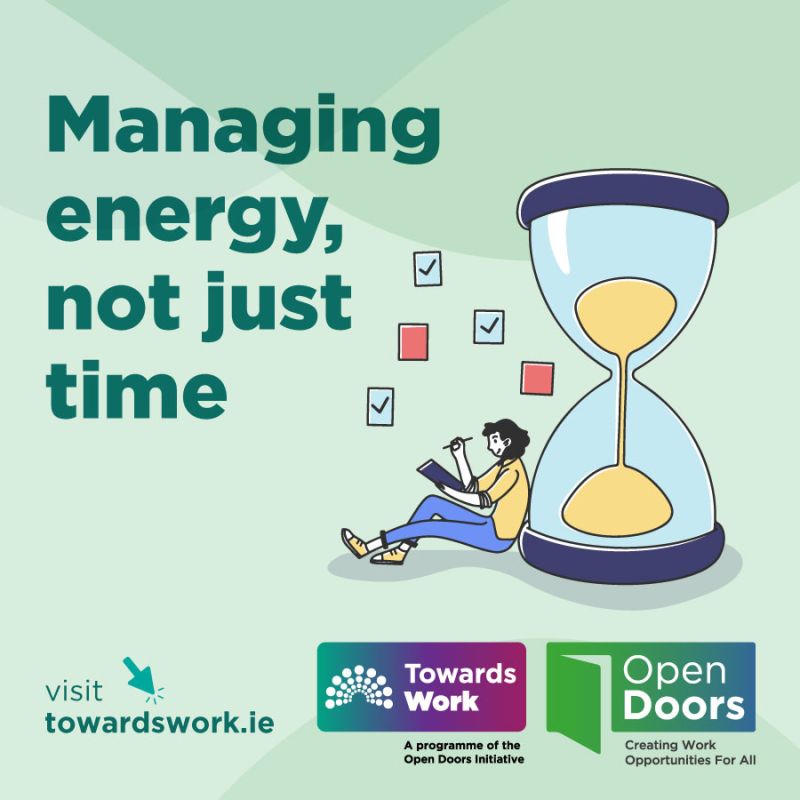
Having a disability can make energy management as important as scheduling. It's the ultimate productivity hack that allows you to maximise your limited resources and achieve your goals without burnout.
- Break tasks into smaller, focused sessions Instead of long, draining sessions, break large tasks into small, highly-focused 15–30-minute sprints. This technique prevents energy depletion and gives you a powerful sense of completion with each mini task.
- Use calendar tools not only for deadlines but for rest breaks Treat your rest and recovery breaks as non-negotiable appointments on your calendar. Use scheduling tools not just for deadlines, but to enforce regular periods of deep rest, stretching, or movement. This is not downtime; it's active energy replenishment.
- Be realistic about your peak hours Be brutally realistic about when your energy and focus are naturally highest. Schedule your most demanding, high-concentration work (your MITs—Most Important Tasks) during these peak hours. Reserve low-impact tasks (like email or filing) for when your energy naturally dips.
- The Power of the Energy Audit At the end of the day, quickly note which activities increased your energy and which drained it. Use this data to refine your schedule, eliminating known energy-sinks where possible, continually.
Managing energy effectively is a valuable skill that enhances productivity in both work and study.